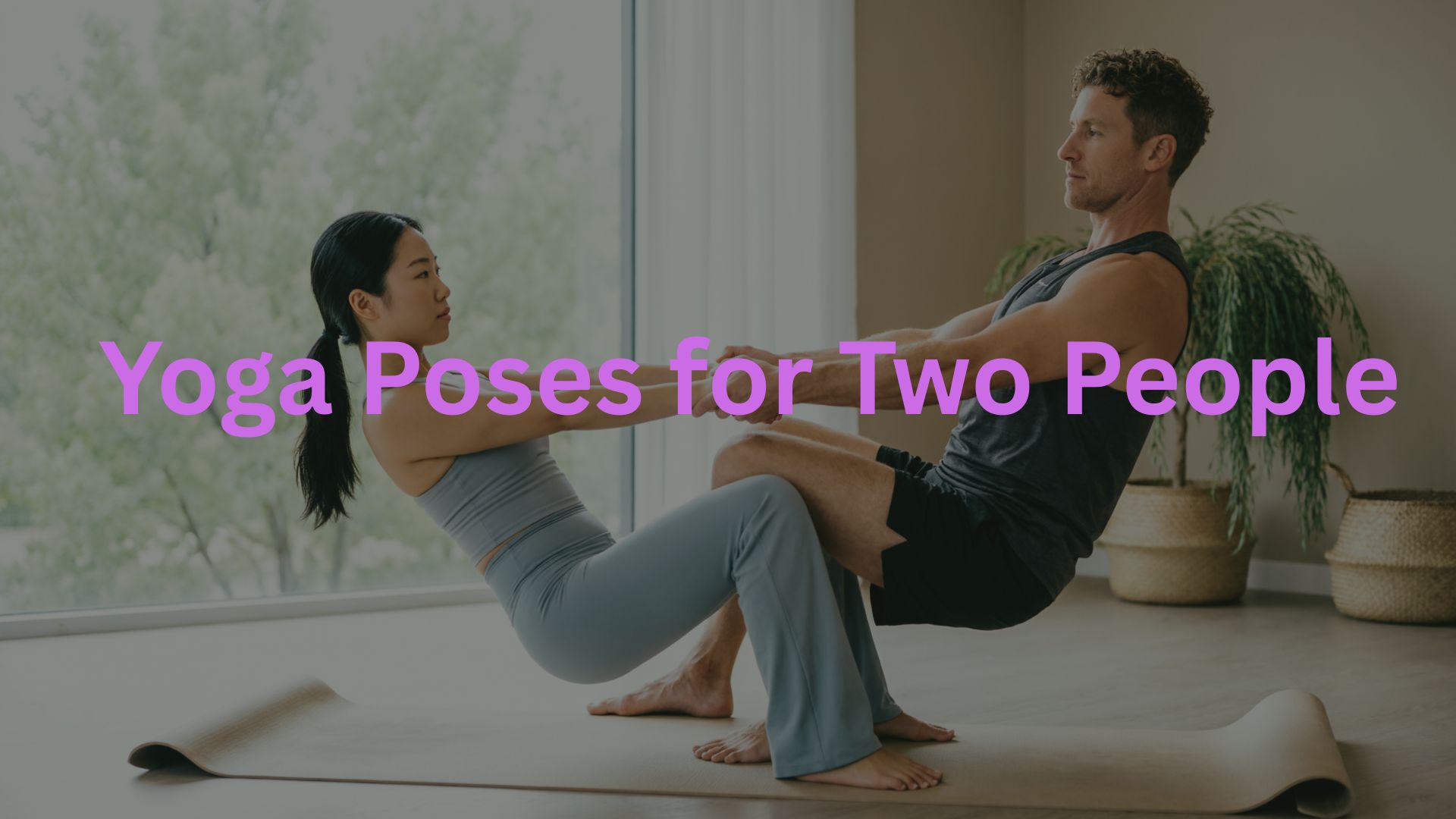
Partner yoga is a fun and effective way to improve flexibility, strength, balance, and trust while practicing with a friend, partner, or family member. Whether you’re a beginner or an experienced yogi, yoga poses for two people offer a unique way to deepen your practice through teamwork and mindful movement. In this guide, you’ll discover the benefits of partner yoga, easy poses to get started, advanced variations, and essential safety tips for practicing together.
What Is Partner Yoga?
Partner yoga is a style of yoga where two people perform poses together. Instead of relying only on your own balance and flexibility, you work with another person to support, stretch, and stabilize each movement.
Unlike traditional solo yoga, partner yoga emphasizes:
- Trust and communication
- Coordinated breathing
- Shared balance
- Improved body awareness
- Mutual support during stretches
People of all fitness levels can enjoy partner yoga by selecting poses that match their flexibility and experience.
Take your yoga journey further with our immersive yoga teacher training course in rishikesh
Benefits of Yoga Poses for Two People
Practicing yoga with a partner offers physical, mental, and emotional benefits that go beyond individual yoga sessions.
Improves Flexibility
Many partner stretches allow muscles to relax more naturally. A supportive partner can help deepen stretches without forcing the body into uncomfortable positions.
Builds Strength
Partner yoga engages the core, shoulders, legs, arms, and back. Supporting another person’s weight activates stabilizing muscles throughout the body.
Enhances Balance and Coordination
Many poses require synchronized movement, improving posture, coordination, and overall body control.
Encourages Better Communication
Successful partner yoga depends on verbal and non-verbal communication. Learning to move together builds trust and cooperation.
Reduces Stress
Like traditional yoga, partner yoga combines breathing exercises with mindful movement, helping reduce tension and promote relaxation.
Makes Exercise More Enjoyable
Working toward shared goals often makes yoga sessions more motivating and fun than practicing alone.
Beginner Yoga Poses for Two People
If you’re new to partner yoga, begin with simple poses that improve flexibility and coordination.
Seated Back-to-Back Twist
Sit with your backs touching while crossing your legs comfortably.
One partner twists gently to the right while the other twists to the left. Use each other’s back for gentle support before switching sides.
- Releases spinal tension
- Improves mobility
- Stretches shoulders and chest
Double Forward Fold
Stand facing each other while holding hands.
Slowly lean backward as both partners hinge forward from the hips, creating a balanced stretch.
This pose gently lengthens the hamstrings, back, shoulders, and arms.
Partner Child’s Pose
One partner enters Child’s Pose while the second gently sits behind and extends forward, placing hands on the first partner’s shoulders.
The added weight creates a deeper but controlled stretch through the upper back.
Partner Cat-Cow Stretch
Sit or kneel facing each other.
Coordinate breathing while moving together between Cat Pose and Cow Pose.
This improves spinal mobility while encouraging synchronized breathing.
Double Tree Pose
Stand side by side with your inside arms wrapped around each other’s waist.
Lift your outside foot onto your standing leg and balance together.
This beginner balance pose strengthens ankles, legs, and core muscles.
Intermediate Yoga Poses for 2 People
Once basic balance and communication improve, you can try more challenging movements.
Partner Boat Pose
Sit facing one another.Touch the soles of your feet together while holding hands. Slowly lift both legs until your bodies form a balanced “V” shape.
- Strengthens abdominal muscles
- Improves balance
- Develops coordination
Double Downward Dog
One partner enters Downward Facing Dog.
The second partner carefully places hands on the floor in front and lifts feet onto the first partner’s hips.
This creates a stacked version of Downward Dog.
This pose strengthens the shoulders, arms, and core while improving flexibility.
Temple Pose
Stand facing your partner with feet hip-width apart.
Place palms together and slowly lean backward while keeping your spine long.
Temple Pose stretches the shoulders, chest, hips, and lower back.
Supported Warrior III
One partner balances in Warrior III while the other provides stability by holding their hands.
This improves confidence while strengthening the standing leg and core.
Hard Yoga Poses for Two People
As experience grows, partner yoga becomes more dynamic and physically demanding.
These poses require strength, flexibility, communication, and proper technique.
Flying Plank
One partner lies on their back with legs raised. The second partner carefully balances in a plank position while supported by the base partner’s feet.
Flying Plank develops:
- Core strength
- Shoulder stability
- Full-body control
Standing Shoulder Balance
Partners stand facing one another while supporting each other’s arms.
One partner gradually lifts into a supported shoulder balance.
Only experienced practitioners should attempt this pose under safe conditions.
Double Chair Pose
Stand back-to-back.
Lower into a squat while leaning against each other for support.
Although simple in appearance, this movement builds powerful leg endurance and core stability.
Difficult Yoga Poses for Two People
Advanced partner yoga combines strength, flexibility, and precise timing.
These movements should only be practiced after mastering foundational poses.
Flying Bow Pose
One partner supports the flyer using their legs while the flyer lifts into Bow Pose.
This advanced posture strengthens:
- Back muscles
- Glutes
- Shoulders
- Core
Partner Handstand
One partner assists while the other performs a handstand.
The supporting partner stabilizes the hips and shoulders to improve alignment.
This pose develops upper-body strength and confidence.
Acro Star Pose
This popular acro yoga position requires both partners to balance while extending arms and legs outward to form a star shape.
It challenges:
- Core stability
- Grip strength
- Body awareness
- Balance
Preparing for 100 Yoga Poses for Two People
Many yoga enthusiasts search for 100 yoga poses for two people as they progress through partner yoga.
Instead of rushing through a long list, focus on mastering one category at a time:
- Beginner stretching poses
- Balance poses
- Standing partner poses
- Seated stretches
- Backbends
- Inversions
- Acro yoga transitions
- Advanced balancing sequences
Building a strong foundation makes learning larger pose collections safer and more enjoyable.
Safety Tips Before Practicing Partner Yoga
Partner yoga should always prioritize safety over difficulty.
Keep these guidelines in mind:
- Warm up for 5–10 minutes before stretching.
- Practice on a non-slip yoga mat.
- Communicate continuously with your partner.
- Never force a stretch.
- Stop immediately if you feel sharp pain.
- Match poses to both partners’ abilities.
- Maintain slow, controlled breathing.
- Practice advanced poses with supervision if possible.
Listening to your body helps prevent unnecessary injuries.
Common Mistakes to Avoid
Many beginners become excited and attempt advanced poses too quickly.
Avoid these common mistakes:
- Skipping warm-ups
- Holding your breath
- Ignoring alignment
- Moving too quickly
- Choosing poses beyond your current ability
- Poor communication with your partner
- Locking the joints
- Practicing on slippery surfaces
Taking a gradual approach leads to better progress and fewer injuries.
How Often Should You Practice Partner Yoga?
Most beginners benefit from practicing two to three sessions each week. Each session can last between 20 and 45 minutes depending on your experience.
Consistency is more valuable than long workouts. Even short sessions help improve flexibility, balance, coordination, and confidence over time. As strength and mobility increase, you can gradually introduce more challenging partner sequences.
Frequently Asked Questions
Is partner yoga suitable for beginners?
Yes. Many partner yoga poses are designed specifically for beginners and focus on gentle stretching, balance, and communication.
Do both partners need the same flexibility?
No. Choose poses that suit both individuals and adjust movements according to each person’s comfort level.
Is partner yoga the same as Acro Yoga?
Not exactly. Partner yoga emphasizes stretching, breathing, and balance, while Acro Yoga includes lifts, inversions, and more advanced acrobatic movements.
Can partner yoga improve relationships?
Practicing together encourages trust, communication, patience, and teamwork, which can strengthen personal relationships.
Should advanced poses be practiced without instruction?
Advanced partner poses are safest when learned under the guidance of an experienced yoga instructor.
Final Thoughts
Partner yoga transforms a traditional solo practice into a shared experience that builds physical strength, flexibility, balance, and meaningful connection. Starting with simple stretches allows you and your partner to develop confidence before progressing to more advanced movements. Whether your goal is improving mobility, exploring challenging poses, or simply enjoying mindful movement together, a consistent and safe practice can provide lasting benefits for both body and mind.