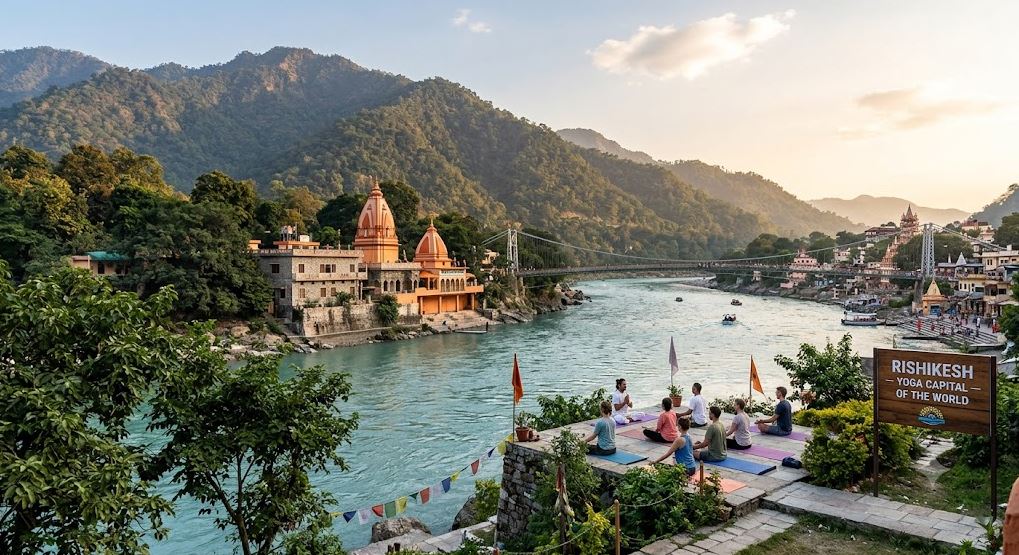
Rishikesh, nestled in the foothills of the majestic Himalayas along the sacred River Ganga, is one of the most celebrated destinations for yoga, meditation, and spiritual exploration. Known worldwide as the Yoga Capital of the World, this peaceful Himalayan town attracts yoga practitioners, spiritual seekers, wellness enthusiasts, and aspiring yoga teachers from across the globe.
From ancient yogic traditions and renowned ashrams to internationally recognized Yoga Teacher Training Courses (TTCs), Rishikesh offers a unique environment where traditional wisdom meets modern wellness practices. But what makes this small Indian town so special, and why do thousands of international students choose it for their yoga journey every year?
Let’s explore the reasons behind Rishikesh’s global reputation.
1. The Ancient Roots of Yoga in Rishikesh
India is the birthplace of yoga, and Rishikesh has long been associated with spiritual learning, meditation, and yogic philosophy. For centuries, sages, saints, and spiritual teachers have visited the Himalayan region to practice meditation, study sacred texts, and pursue self-realization.
The natural surroundings of Rishikesh have traditionally provided an ideal setting for contemplation and spiritual discipline. The peaceful atmosphere, forested hills, flowing Ganga, and proximity to the Himalayas continue to inspire people seeking a deeper connection between mind, body, and spirit.
Unlike destinations where yoga is primarily presented as a fitness activity, Rishikesh offers opportunities to explore yoga as a holistic discipline involving physical postures, breathing techniques, meditation, ethical principles, and spiritual philosophy.
This connection with India’s ancient traditions is one of the major reasons Rishikesh continues to attract yoga students from around the world.
2. The Sacred River Ganga and Himalayan Surroundings
The natural beauty of Rishikesh plays an important role in its appeal. The sacred River Ganga flows through the town, surrounded by green hills, forested landscapes, and the foothills of the Himalayas.
For many visitors, practicing yoga in such an environment creates a sense of calm and connection with nature. The sound of flowing water, fresh morning air, and peaceful surroundings can make meditation and breathing exercises particularly rewarding.
Many yoga schools organize early-morning yoga sessions, meditation classes, and pranayama practices that allow students to experience the atmosphere of Rishikesh before the town becomes busy.
The natural environment also encourages a slower, more mindful lifestyle. Visitors often find themselves spending less time on digital distractions and more time focusing on their physical health, mental well-being, and personal growth.
3. Home to Traditional Ashrams and Renowned Yoga Schools
Rishikesh is home to numerous ashrams, yoga institutes, and independent yoga schools that teach different approaches to the yogic tradition.
Students can explore a variety of practices, including:
- Hatha Yoga: A traditional approach emphasizing physical postures, breath awareness, and balance.
- Ashtanga Vinyasa Yoga: A structured practice combining synchronized breathing with a progressive sequence of postures.
- Vinyasa Yoga: A dynamic style that links movement and breath.
- Kundalini Yoga: A practice that explores breathwork, meditation, movement, and traditional concepts of energy.
- Yoga Philosophy: The study of yogic principles, classical texts, and the deeper purpose of yoga.
- Pranayama and Meditation: Practices designed to develop breath awareness, concentration, and mental clarity.
This diversity allows beginners and experienced practitioners to find programs that suit their interests and experience levels.
Some students prefer the traditional ashram lifestyle, while others choose modern yoga schools offering structured courses, comfortable accommodation, and a more contemporary learning environment.
4. Internationally Popular Yoga Teacher Training Courses
One of the biggest reasons behind Rishikesh’s international recognition is its popularity as a destination for Yoga Teacher Training Courses in Rishikesh.
Students from countries such as the United States, the United Kingdom, Germany, France, Australia, and many others travel to Rishikesh to deepen their practice and pursue yoga teaching qualifications.
Popular course options include:
100-Hour Yoga Teacher Training
A 100-hour yoga course is a useful option for beginners and practitioners who want an introduction to yoga, improve their personal practice, or complete the first stage of a longer training pathway. Whether the hours can count toward a recognized teaching qualification depends on the school’s curriculum and the applicable registration requirements.
200-Hour Yoga Teacher Training
A 200-hour Yoga Teacher Training Course is a common entry-level professional training program for aspiring yoga teachers. Depending on the school, the curriculum may cover asana practice, anatomy, pranayama, meditation, teaching methodology, and yoga philosophy.
300-Hour Advanced Yoga Teacher Training
A 300-hour program is generally intended for practitioners who have already completed a qualifying foundational teacher training course. It offers a deeper exploration of advanced asana, teaching skills, anatomy, sequencing, and yogic philosophy.
500-Hour Yoga Teacher Training
A 500-hour program offers an extended training experience for students seeking a comprehensive study of yoga. Some schools offer an integrated 500-hour curriculum, while others structure the training differently. Students should confirm the course format, prerequisites, and recognition before enrolling.
For many aspiring teachers, studying in Rishikesh provides an opportunity to learn yoga in its cultural and historical setting while developing the skills needed to teach students internationally.
Before booking, it is important to verify the school’s instructors, curriculum, teaching hours, accommodation, student reviews, and any claimed Yoga Alliance or other professional registration.
5. A Blend of Traditional Wisdom and Modern Yoga Practice
Rishikesh has retained its spiritual character while adapting to the needs of modern yoga students.
Traditional practices such as mantra chanting, pranayama, meditation, and philosophical study remain important parts of the learning experience. At the same time, many schools incorporate contemporary approaches to anatomy, posture alignment, injury prevention, and teaching methodology.
This combination helps students understand yoga from multiple perspectives.
For example, a student attending an Ashtanga Vinyasa Yoga Teacher Training Course may practice a structured sequence of postures in the morning, study anatomy later in the day, and explore meditation or yogic philosophy in the evening.
The result is an educational experience that can go beyond physical flexibility and strength, helping students develop a more informed and balanced approach to yoga.
6. A Global Community of Yoga Practitioners
Walk through the yoga-friendly neighborhoods of Rishikesh and you will encounter visitors from different countries, backgrounds, and professions.
Some come to become certified yoga teachers. Others want to improve their physical practice, manage everyday stress, explore meditation, or experience India’s spiritual heritage.
This international community creates opportunities to exchange ideas, build friendships, and learn from different cultural perspectives.
For aspiring yoga teachers, interacting with classmates from around the world can also provide valuable insight into the needs of future students in different countries.
Many visitors leave Rishikesh with more than a certificate. They take home new friendships, a deeper understanding of yoga, and memories of an experience that may influence their personal and professional lives for years.
7. Spiritual Experiences Beyond the Yoga Mat
Rishikesh offers many opportunities to explore spirituality beyond formal yoga classes.
Visitors can attend the Ganga Aarti, a traditional Hindu worship ceremony held beside the river, visit temples, explore meditation centers, or spend time in quiet natural surroundings.
Popular landmarks include Ram Jhula, Lakshman Jhula’s surrounding area, and the ashram districts along the Ganga. Local walking routes, cafés, and nearby nature spots provide additional ways to experience the town.
Many visitors also explore nearby waterfalls and Himalayan foothill destinations during their stay.
These experiences help students understand that yoga in Rishikesh is not limited to physical postures. For those interested in its broader traditions, yoga can also involve mindfulness, self-discipline, compassion, and reflection on everyday life.
Visitors should respect local customs, religious practices, environmental rules, and river-safety guidance when exploring the area.
8. An Accessible Destination for Different Budgets
Compared with many international wellness destinations, Rishikesh can offer relatively affordable options for yoga training and retreats.
The total cost depends on the school, course duration, accommodation type, meals, season, and additional activities. Students can choose from basic ashram-style stays to more comfortable private rooms and premium wellness programs.
Many residential yoga courses include accommodation, meals, daily classes, and selected learning materials in one package, making it easier to plan the overall budget.
However, the lowest-priced program is not always the best choice. Prospective students should compare the quality of teaching, class sizes, curriculum, accommodation standards, safety arrangements, and independent reviews before making a decision.
For international travelers, it is also important to account for flights, visas, travel insurance, local transportation, and personal expenses.
9. Rishikesh as a Destination for Wellness and Personal Growth
Modern life often involves long working hours, constant digital connectivity, and limited time for rest. As a result, many people are looking for meaningful ways to improve their daily routines and overall well-being.
Rishikesh offers an environment where visitors can step away from their usual schedules and dedicate time to yoga, meditation, mindful eating, and relaxation.
A typical day at a residential yoga school might include early-morning meditation, asana practice, a nutritious vegetarian meal, philosophy classes, and an evening breathing or relaxation session.
The experience can encourage students to develop healthier habits and a more consistent personal practice.
Although yoga and meditation are not substitutes for medical treatment, many people find them useful as complementary practices for relaxation, body awareness, and stress management.
10. The Influence of International Yoga Teachers and Visitors
Rishikesh’s global reputation has grown through generations of Indian yoga teachers, spiritual leaders, international students, and visitors who have shared their experiences with the wider world.
International interest in Indian spirituality expanded significantly during the twentieth century, and Rishikesh became an important destination for people seeking meditation, spiritual instruction, and yogic learning.
Today, social media, online yoga communities, travel publications, and word-of-mouth recommendations continue to introduce new audiences to the city.
Former students often recommend their schools, share their training experiences, or return to deepen their practice. This ongoing exchange helps maintain Rishikesh’s position as one of the world’s best-known destinations for yoga education.
Its reputation is not based on a single institution or teaching style. Instead, it reflects the combined influence of India’s broader yoga heritage, local spiritual traditions, established schools, and a continuing international community.
11. The Best Time to Visit Rishikesh for Yoga
Choosing the right season can make a yoga trip more comfortable.
February to April: Spring generally offers pleasant conditions for outdoor activities and sightseeing. It can be a popular period for yoga training.
September to November: After the monsoon, the surrounding hills may appear particularly green, and the weather often becomes more comfortable for yoga and exploration.
December to January: Winter mornings and evenings can be cold, so students should check accommodation heating, class schedules, and clothing requirements.
May to June: Temperatures can become quite hot, especially during the afternoon. Schools may adjust practice times to accommodate the heat.
July to August: The monsoon brings rainfall, increased humidity, and possible travel disruptions. River conditions can become dangerous, so visitors should follow local safety advice.
The ideal time depends on personal preferences, course availability, and tolerance for heat or cold. Students should confirm the training dates directly with their chosen yoga school.
12. How to Choose the Right Yoga School in Rishikesh
With so many yoga schools available, selecting the right one requires careful research.
Before booking a course, consider the following:
- Teaching experience: Research the instructors’ qualifications, experience, and teaching approach.
- Course curriculum: Ensure that the program includes the subjects and practical training you want.
- Yoga style: Decide whether you prefer Hatha, Ashtanga Vinyasa, Vinyasa, or a broader curriculum.
- Class size: Smaller groups may provide more opportunities for individual feedback.
- Accommodation and food: Check room arrangements, hygiene, dietary options, and included services.
- Student reviews: Read recent reviews from multiple independent sources rather than relying only on testimonials published by the school.
- Certification: Verify what the certificate represents and whether it meets your professional goals.
- Location and facilities: Consider access to the Ganga, classrooms, transport, and essential services.
- Transparent pricing: Ask about registration fees, additional charges, cancellation policies, and refund terms.
A well-chosen school can make your stay more rewarding and help you get the most out of your time in Rishikesh.
Experience the Yoga Tradition with Rudra Yoga India
If you are planning to deepen your yoga practice or begin your journey toward becoming a yoga teacher, Rudra Yoga India offers a place to explore yoga in the spiritual surroundings of Rishikesh.
Located in Balaknath Street, Upper Tapovan, near the Laxman Jhula area, Rudra Yoga India welcomes students interested in traditional yoga practices, mindful living, and structured teacher training.
Depending on your goals, you can explore available programs such as 100-hour, 200-hour, 300-hour, and 500-hour Yoga Teacher Training Courses, as well as yoga retreats. Course availability, curriculum, prerequisites, and certification details should be confirmed directly with the school.
Whether you are a beginner seeking a stronger foundation or an experienced practitioner looking to develop your teaching skills, choosing a program that matches your needs is an important first step.
Learn more about available courses and training options at Rudra Yoga India.
Conclusion: Why Rishikesh Remains the Yoga Capital of the World
Rishikesh’s reputation as the Yoga Capital of the World comes from a distinctive combination of India’s ancient yogic heritage, the spiritual significance of the River Ganga, the natural beauty of the Himalayan foothills, and a thriving international yoga community.
Its traditional ashrams, diverse yoga schools, teacher training programs, and opportunities for meditation and self-reflection continue to attract students from across the globe.
For some, Rishikesh is a place to become a yoga teacher. For others, it is an opportunity to reconnect with themselves, explore Indian spiritual traditions, or establish a more mindful way of living.
Whatever your motivation, Rishikesh offers a distinctive setting in which to discover the many dimensions of yoga.
If you are ready to take the next step, explore the yoga teacher training programs and retreats available at Rudra Yoga India and begin planning your journey in the heart of Rishikesh.