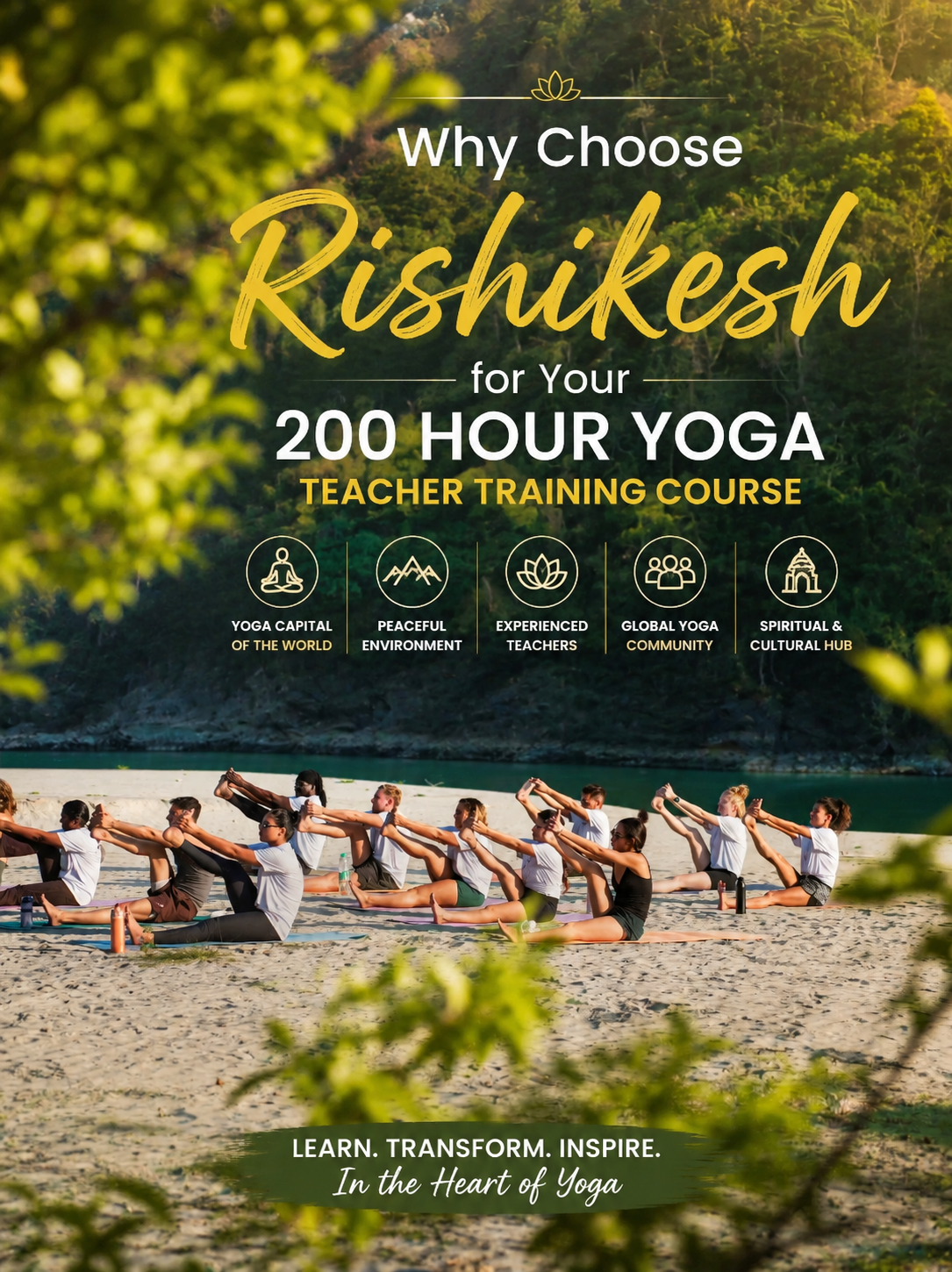
Choosing the right Yoga Teacher Training Course (TTC) can be an important decision for anyone who wants to deepen their yoga practice or become a professional yoga teacher. Among the most popular options are the 200-Hour Yoga TTC and the 300-Hour Yoga TTC. While both programs offer comprehensive yoga education, they are designed for different stages of a practitioner’s journey.
Understanding the difference between a 200-hour and 300-hour yoga teacher training can help you choose a course that matches your experience, goals, and future plans.
What Is a 200-Hour Yoga TTC?
A 200-Hour Yoga TTC is generally considered a foundational teacher training program. It is suitable for beginners, regular practitioners, and aspiring yoga teachers who want to develop a strong understanding of yoga.
The course usually introduces students to important areas such as yoga asanas, pranayama, meditation, anatomy, yoga philosophy, teaching methodology, alignment, and practical teaching.
The 200-hour program is not only about learning how to perform yoga postures. Students also learn how to structure classes, communicate with students, demonstrate techniques, and create a safe and supportive learning environment.
If you are relatively new to yoga or have never completed a formal teacher training program, the 200-Hour Yoga TTC is usually the better starting point.
What Is a 300-Hour Yoga TTC?
A 300-Hour Yoga TTC is an advanced-level training program designed for students who already have a solid foundation in yoga and teacher training.
Instead of repeating basic concepts, a 300-hour course generally allows practitioners to explore yoga in greater depth. Depending on the school and curriculum, topics may include advanced asanas, sequencing, advanced pranayama, meditation, anatomy, teaching methodology, yoga philosophy, adjustments, and specialized yoga practices.
The course can help experienced teachers improve their teaching skills, develop their own teaching style, and gain a deeper understanding of yoga.
For someone who has already completed a 200-hour teacher training and wants to continue their professional and personal development, a 300-Hour Yoga TTC can be a natural next step.
200-Hour vs. 300-Hour: Which One Should You Choose?
The right course depends mainly on where you are currently in your yoga journey.
Choose a 200-Hour Yoga TTC if:
- You are new to formal yoga teacher training.
- You want to build a strong foundation in yoga.
- You want to become a yoga teacher for the first time.
- You want to understand yoga beyond physical exercise.
- You want structured guidance before moving into advanced studies.
Choose a 300-Hour Yoga TTC if:
- You have already completed foundational yoga teacher training.
- You have regular yoga teaching or practice experience.
- You want to deepen your knowledge and teaching abilities.
- You want to explore advanced yoga techniques.
- You want to develop greater confidence as an experienced teacher.
Can Beginners Join a 300-Hour Yoga TTC?
In most cases, a 300-hour program is intended for practitioners who already have foundational knowledge. The exact eligibility requirements can vary between yoga schools.
If you are a beginner, starting with a 200-hour program can make the learning process more comfortable and progressive. Building a strong foundation first can also make advanced subjects easier to understand later.
Build Your Yoga Journey Step by Step
Yoga teacher training is not simply about collecting certificates. It is about developing knowledge, personal practice, teaching confidence, and a deeper understanding of yoga.
A 200 Hour Yoga Teacher Training in Rishikesh can provide the foundation you need to begin teaching, while a 300-Hour Yoga TTC can help you take your existing knowledge and teaching practice further.
Before enrolling, consider your current experience, learning goals, preferred yoga style, course curriculum, practical teaching opportunities, and the experience of the instructors.
Ultimately, there is no universally better option between a 200-hour and 300-hour Yoga TTC. The best choice is the one that matches your current level and supports where you want your yoga journey to go next.