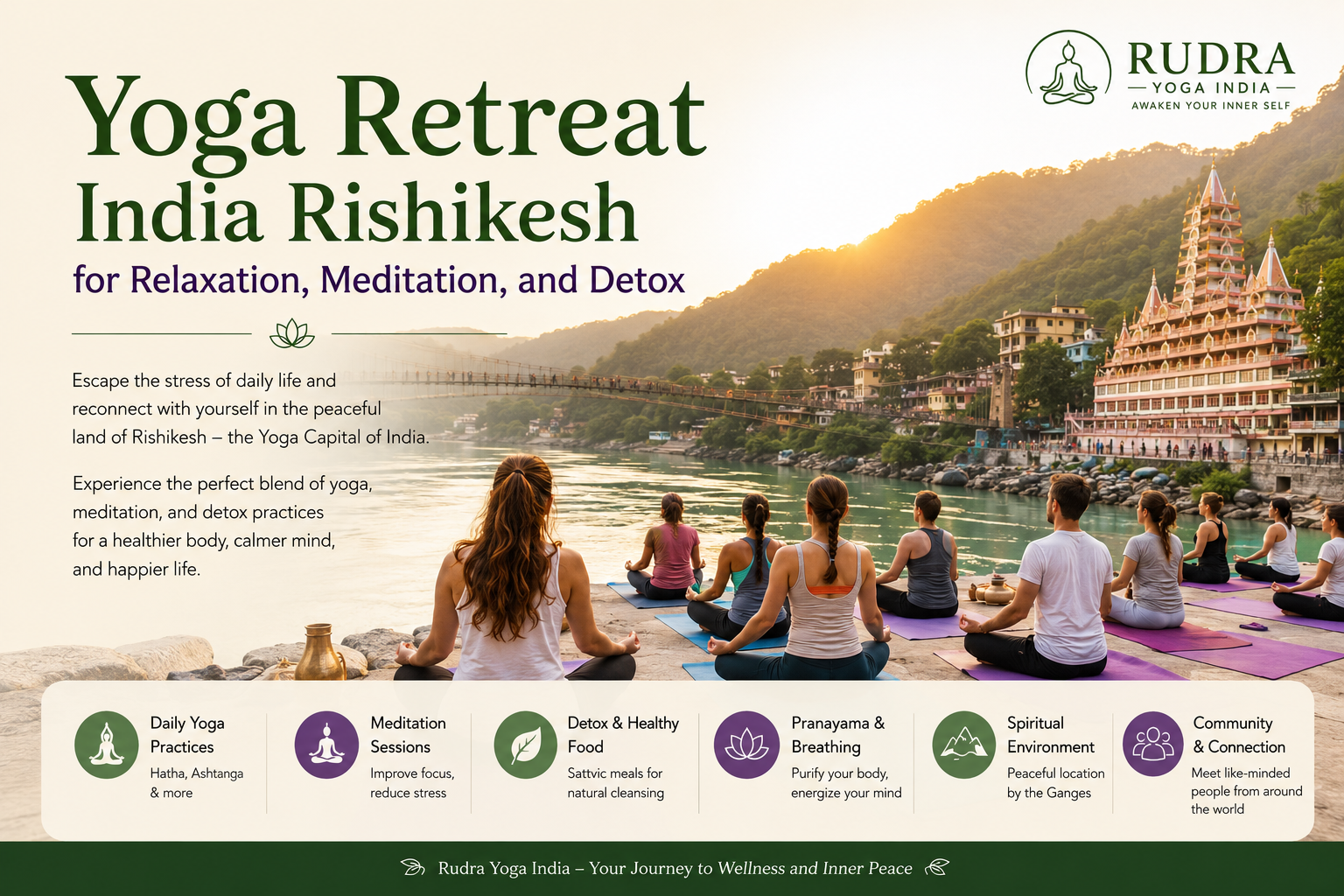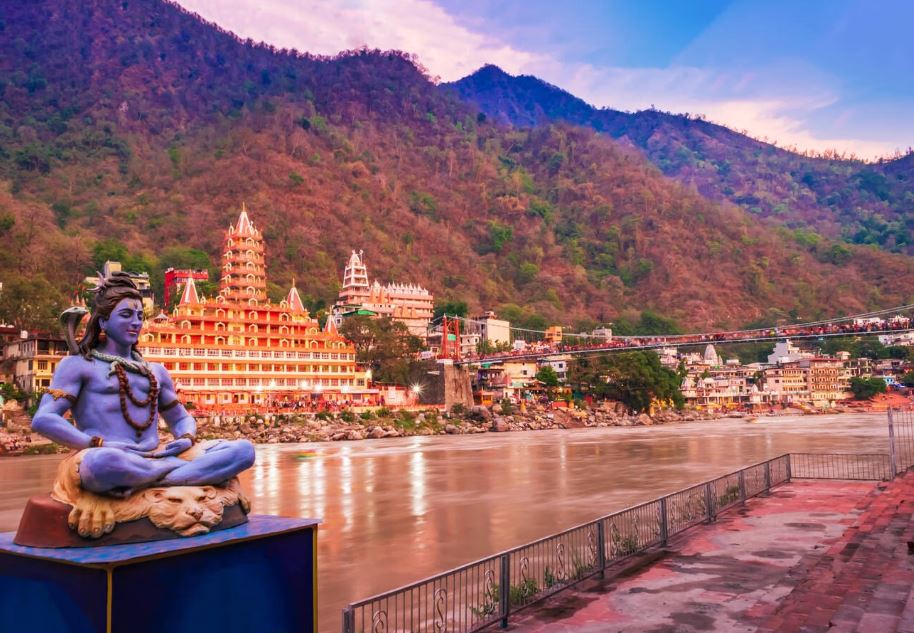
Rishikesh, a serene town tucked in the foothills of the majestic Himalayas along the sacred banks of the Ganges River, holds a unique and revered place in the world of yoga. Known widely as the Global Capital of Yoga Tourism, Rishikesh draws thousands of seekers, practitioners, and travelers from across the globe every year. This spiritual hub blends ancient wisdom with natural beauty, creating an environment that nurtures transformation, healing, and growth.
A Sacred Beginning: Rishikesh’s Spiritual Roots
Long before international visitors began to associate Rishikesh with yoga, this holy town was already a significant pilgrimage site for Hindu devotees. Its religious importance stems from ancient scriptures that describe it as a place where sages and saints performed deep meditation and spiritual practices. The town’s name itself — Rishi (sage) and kesh (hair) — is often interpreted to signify the power and presence of ancient sages who resided in the region.
The sacred Ganges River, flowing through Rishikesh, adds to its spiritual ambiance. Millions of pilgrims bathe in its waters believing that doing so purifies them of sins and elevates their spiritual consciousness. This belief, coupled with the tranquil beauty of the landscape, set the stage for Rishikesh to evolve into a global center of yoga and spirituality.
The Birthplace of Modern Yoga Tourism
While yoga has ancient roots in India, it was Rishikesh that became one of the first places to introduce this practice to the world in a systematic way. In 1968, the visit of The Beatles to Rishikesh brought international attention to this then-quiet holy town. They came to study Transcendental Meditation with Maharishi Mahesh Yogi, and their stay put Rishikesh on the global map as a center for spiritual and yogic learning.
Soon after, hundreds of yoga schools, ashrams, and retreat centers began welcoming global visitors interested in studying yoga, meditation, Ayurveda, and Vedanta. The peaceful environment, affordable living, and deep-rooted spiritual culture made Rishikesh the ideal destination for anyone serious about yoga study.
A Diverse Hub for Yoga Practices
One of the most extraordinary aspects of Rishikesh is the wide variety of yoga traditions and practices available here. Practitioners and learners can explore:
🧘♂️ Hatha Yoga
A traditional form that focuses on physical postures (asanas), breath control (pranayama), and meditation, creating a balanced mind-body experience.
🧘♀️ Ashtanga Yoga
A dynamic and physically demanding practice that follows a specific sequence of postures, perfect for those seeking strength and flexibility.
🧘♂️ Vinyasa Flow
A rhythmic and flowing style of yoga that synchronizes movement with breath, offering both physical challenge and meditative ease.
🧘♀️ Kundalini Yoga
A practice that combines physical postures with breathwork, chanting, and meditation to awaken spiritual energy.
🧘 Yin and Restorative Yoga
Gentle, introspective practices that emphasize long holds and deep relaxation — ideal for stress relief and healing.
Besides these, visitors can study Philosophy of Yoga, Ayurveda, Pranayama, Mantra chanting, and Meditation techniques. This diversity makes Rishikesh appealing to beginners, intermediate practitioners, and advanced yogis alike.
Yoga Teacher Training and International Certifications
Rishikesh has grown into one of the leading destinations in the world for Yoga Teacher Training Courses (YTTC). Schools here offer programs ranging from 100-hour YTTC, 200-hour YTTC, 300-hour YTTC and 500-hour certifications, many of which are recognized internationally. These courses provide comprehensive training in yoga philosophy, anatomy, teaching methodology, ethics, and practical application.
Students come from different countries, cultures, and backgrounds — united by a shared purpose to deepen their understanding of yoga and sometimes to begin a new career as certified yoga instructors. The immersive nature of these courses, combined with the spiritual setting, often leads to life-changing experiences beyond just professional qualifications.
The Harmony of Spirituality and Nature
What sets Rishikesh apart from other destinations isn’t just the availability of yoga training — it’s the context in which that training happens. There is an almost palpable sense of spiritual energy in the air. Early mornings begin with the melodic chants from temples and ashrams, while evenings are marked by the soulful Ganga Aarti — a rhythmic, candlelit ritual on the riverbanks that honors the sacred Ganges.
The surrounding natural beauty — the flowing river, lush forests, and snow-capped Himalayan peaks — enriches the experience. Whether you are practicing sunrise yoga by the river, hiking nearby trails, or meditating in a quiet ashram, the peaceful environment supports deep inner reflection and healing.
Cultural Experiences Beyond Yoga
Yoga in Rishikesh goes hand-in-hand with cultural immersion. The town’s bustling markets sell handicrafts, spiritual books, incense, Ayurvedic products, and traditional clothing. Tourists can explore ancient temples, attend kirtans (devotional songs), or take part in local festivals that celebrate spiritual themes.
There are also adventure activities for those who seek a balance between physical challenge and spiritual calm — including white-water rafting in the Ganges, trekking in the Himalayan foothills, and camping along scenic riverbanks.
A Global Community of Seekers
The community in Rishikesh is one of its greatest assets. You will meet people from all walks of life: solo travelers looking for transformation, yoga teachers honing their craft, wellness seekers on sabbaticals, and groups on spiritual retreats. The shared experiences create an international network of friendships and lifelong connections, often bridging cultural and linguistic divides.
This global connectivity has also turned Rishikesh into a hub for collaborative events, workshops, and festivals celebrating yoga, music, wellness, and sustainability. The annual International Yoga Festival, held every March, draws thousands of participants from over 50 countries, featuring workshops, talks, and classes with esteemed yoga masters and teachers.
Empowerment Through Healing and Wellness
Beyond certification and practice, Rishikesh has become a sanctuary for holistic healing. Many visitors arrive seeking relief from chronic stress, burnout, emotional trauma, or lifestyle-related ailments. With practices like Ayurveda, detox programs, meditation retreats, and restorative yoga, individuals find opportunities to reset their bodies and minds.
The combination of ancient healing sciences and modern wellness approaches makes Rishikesh a unique place for personal healing journeys. Many retreat programs include personalized consultations, cleansing routines, therapeutic massages, and dietary guidance tailored to individual needs.
Why Rishikesh Continues to Attract the World
Here are the key reasons why Rishikesh holds its title as the Global Capital of Yoga Tourism:
- 🌍 International Reach – People from around the world come to study and practice yoga.
- 🧘 Wide Range of Yoga Styles – From traditional to modern approaches.
- 🏅 Certified Training – Quality teacher trainings recognized globally.
- 🌿 Spiritual Ambience – A calm environment conducive to introspection.
- 🌄 Natural Beauty – Scenic landscapes that elevate the practice experience.
- 🤝 Cultural Exchange – A vibrant multinational community.
- 🧠 Holistic Wellness – Healing practices that support physical and emotional well-being.
Conclusion
Rishikesh stands as more than just a travel destination — it is a journey of transformation. Whether you are a beginner just stepping onto your yoga path, an experienced practitioner seeking deeper knowledge, or someone longing for healing and inner peace, Rishikesh offers a gateway to growth. Its blend of ancient wisdom, spiritual essence, natural splendor, and global community makes it truly deserving of its title as the Global Capital of Yoga Tourism.