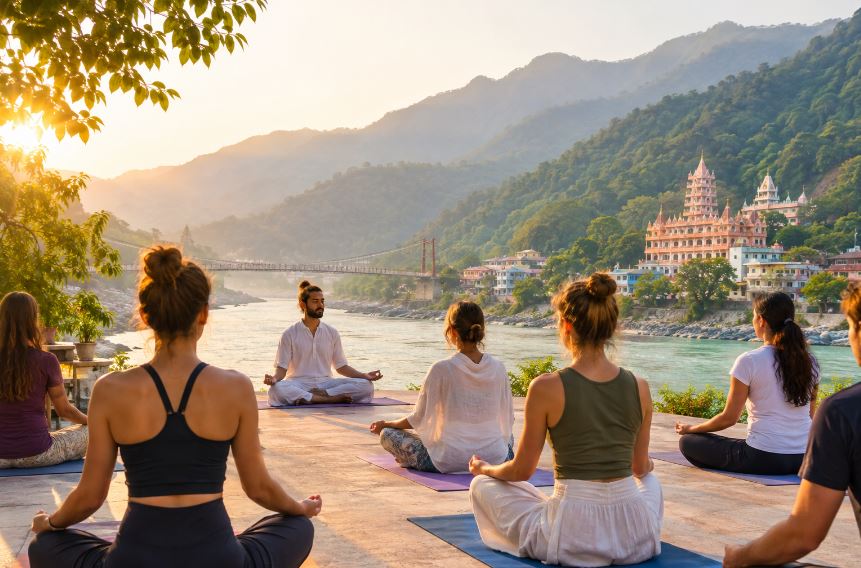
A yoga retreat is often imagined as a peaceful escape filled with yoga poses, meditation, and silence. But many people still wonder what actually happens during a yoga retreat. What does a normal day look like? Is it strict or relaxed? Do you need to be flexible or experienced?
This article explains everything about the Rudra Yoga India retreat in detail. From morning routines to evening activities, you’ll get a clear idea of how a yoga retreat works, what activities are included, and what you can realistically expect as a participant.
Understanding the Purpose of a Yoga Retreat
Before looking at the daily routine, it’s important to understand why yoga retreats exist.
A yoga retreat is designed to help people step away from daily stress, distractions, and unhealthy habits. It creates a supportive environment where you can focus on your body, breath, mind, and overall well-being. Unlike a normal vacation, a retreat follows a structured schedule that balances activity and rest.
The goal is not perfection. It is awareness, healing, learning, and inner calm.
Typical Daily Schedule of a Yoga Retreat
While every retreat is different, most follow a similar daily rhythm. Days are usually structured but not overwhelming. Below is a general outline of what happens during a typical yoga retreat day.
Early Morning: Wake-Up and Silence
Most yoga retreats begin early in the morning, usually between 5:30 AM and 6:30 AM.
Many retreats encourage morning silence, especially in traditional or spiritual settings. This helps participants start the day calmly and stay connected with their inner state instead of external noise.
This time may include:
- Gentle stretching
- Quiet walking
- Herbal tea or warm water
- Personal reflection or journaling
Silence is optional in many modern retreats, but it is always encouraged for mental clarity.
Morning Yoga Session
The first yoga session of the day usually happens shortly after waking up. This session is often slow, grounding, and breath-focused.
What this session includes:
- Gentle warm-up movements
- Sun salutations
- Basic or intermediate yoga postures
- Breath awareness
- Short relaxation at the end
Morning yoga helps awaken the body, improve circulation, and prepare the mind for the day. Beginners are guided step by step, and modifications are usually offered.
Pranayama and Breathing Practices
After or before the morning yoga session, many retreats include pranayama, which means breathing techniques.
Common breathing practices include:
- Deep belly breathing
- Alternate nostril breathing
- Slow rhythmic breathing
- Awareness of breath flow
These practices help calm the nervous system, improve lung capacity, and increase mental focus. Even first-time participants find pranayama easy to follow.
Meditation Session
Meditation is a key part of most yoga retreats. This session is usually short in the beginning and gradually becomes longer as the retreat progresses.
Meditation may include:
- Guided meditation
- Breath observation
- Mantra meditation
- Mindfulness practices
The focus is not on stopping thoughts but on observing them without judgment. Over time, participants often feel more relaxed, centered, and emotionally balanced.
Breakfast: Healthy and Mindful Eating
After the morning practices, participants enjoy breakfast. Meals at yoga retreats are usually simple, nutritious, and balanced.
Typical breakfast includes:
- Fruits
- Herbal teas
- Porridge or grains
- Light vegetarian dishes
Meals are often vegetarian or plant-based, designed to support digestion and energy levels. Some retreats encourage mindful eating, where participants eat slowly and with awareness.
Mid-Morning: Free Time or Workshops
Late morning is usually less intense. This time is reserved for:
- Rest
- Reading
- Journaling
- Nature walks
- Personal reflection
Some retreats also offer workshops or educational sessions, such as:
- Introduction to yoga philosophy
- Lifestyle and wellness talks
- Stress management techniques
- Basics of yogic living
These sessions are informative but easy to understand, even for beginners.
Lunch: Light and Nourishing Meal
Lunch is usually the main meal of the day and is served around 12:30 PM to 2:00 PM.
Meals focus on:
- Fresh vegetables
- Balanced nutrition
- Easily digestible foods
Heavy, oily, or processed foods are avoided. The aim is to keep the body light so participants do not feel tired or sluggish.
Afternoon: Rest and Personal Time
Afternoons are generally quiet and relaxed. Yoga retreats understand that deep rest is as important as activity.
This time may be used for:
- Afternoon naps
- Relaxation
- Self-study
- Spa treatments (in some retreats)
- Optional activities like art or sound healing
Participants are encouraged to listen to their bodies and rest without guilt.
Evening Yoga Session
The second yoga session of the day is usually held in the evening and is more restorative and calming.
This session may include:
- Gentle stretches
- Yin or restorative yoga
- Longer relaxation poses
- Body awareness practices
Evening yoga helps release tension built up during the day and prepares the body for restful sleep.
Evening Meditation or Chanting
After evening yoga, many retreats include a short meditation or chanting session.
This may involve:
- Guided relaxation
- Silent sitting
- Soft chanting or mantra repetition
- Gratitude practice
This session creates emotional balance and helps participants end the day peacefully.
Dinner: Light and Early
Dinner is usually served early, around 6:30 PM to 7:30 PM.
It is lighter than lunch and may include:
- Soup
- Steamed vegetables
- Simple grains
Eating early supports digestion and better sleep, which is an important part of the retreat experience.
Night Routine and Rest
Evenings are quiet. Participants often spend time:
- Journaling
- Reading
- Reflecting on the day
- Preparing for sleep
Most retreats encourage early sleep to support physical and mental recovery.
Other Activities Included in Yoga Retreats
Apart from the daily routine, many yoga retreats offer additional activities, such as:
Nature Walks and Excursions
Walks in natural surroundings help deepen relaxation and connection with the environment.
Wellness Therapies
Some retreats include:
- Massage
- Ayurvedic treatments
- Sound healing
- Reiki or energy work
Group Sharing Sessions
Participants may share experiences, emotions, or insights in a safe and supportive space.
Is the Routine Too Strict?
Many people worry that yoga retreats are too strict or disciplined. In reality, most retreats are flexible and supportive.
Participants are encouraged to:
- Take breaks if needed
- Skip sessions if feeling unwell
- Practice at their own level
There is no pressure to perform or compete.
Who Can Join a Yoga Retreat?
Yoga retreats are suitable for:
- Beginners
- Working professionals
- Seniors
- Couples or solo travelers
- Anyone seeking balance and relaxation
You do not need to be flexible, spiritual, or experienced to attend.
How People Feel After a Yoga Retreat
Most participants report:
- Reduced stress
- Better sleep
- Improved digestion
- Mental clarity
- Emotional calm
- Renewed motivation
Even a short retreat can create noticeable positive changes.
Final Thoughts
A yoga retreat is not about escaping life but learning how to live better. The daily routine is designed to support healing, awareness, and balance without overwhelming the participant.
If you are searching for peace, clarity, or a healthy reset, understanding what happens in a yoga retreat can help you choose the right experience and step into it with confidence.
Read More: 500 hr yoga TTC